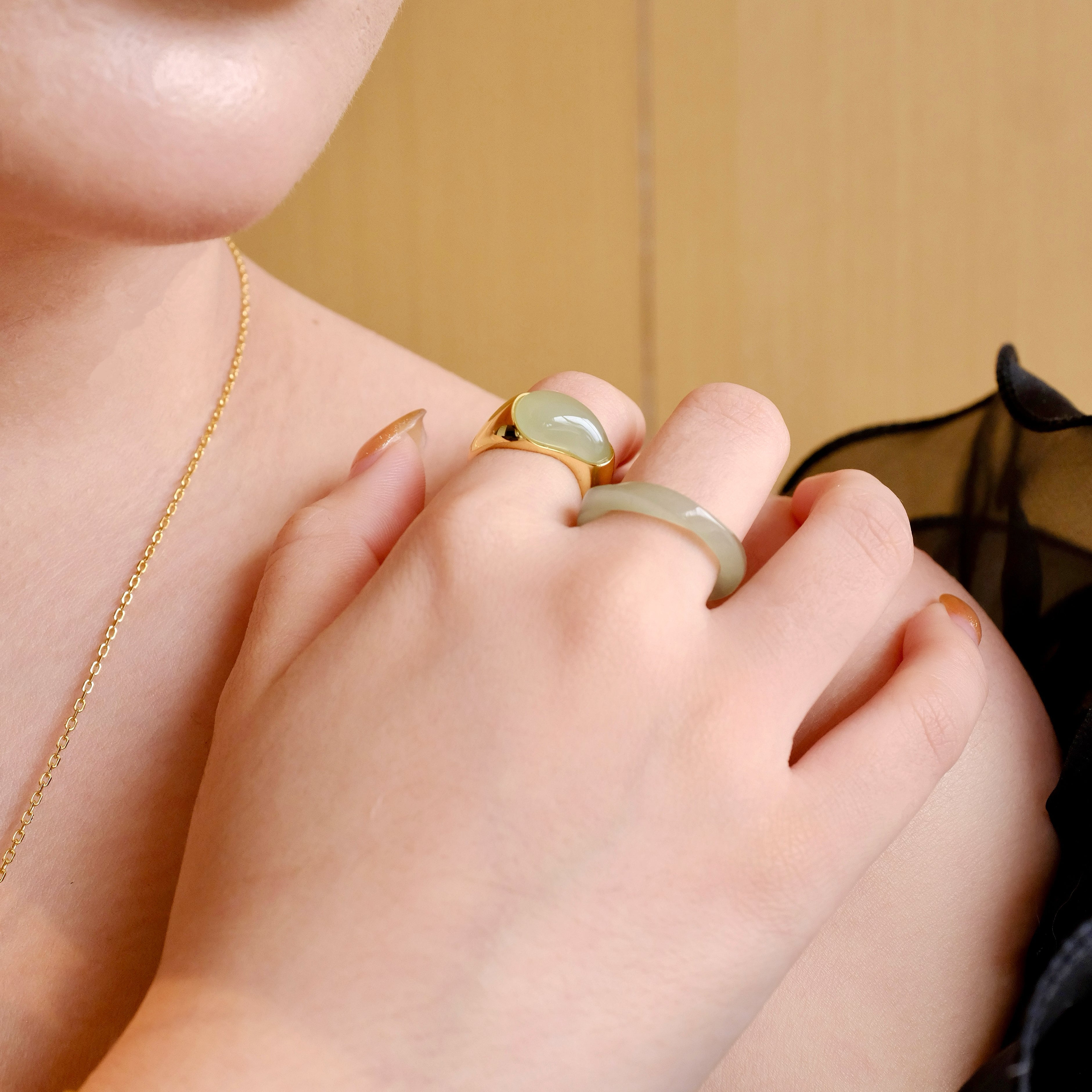
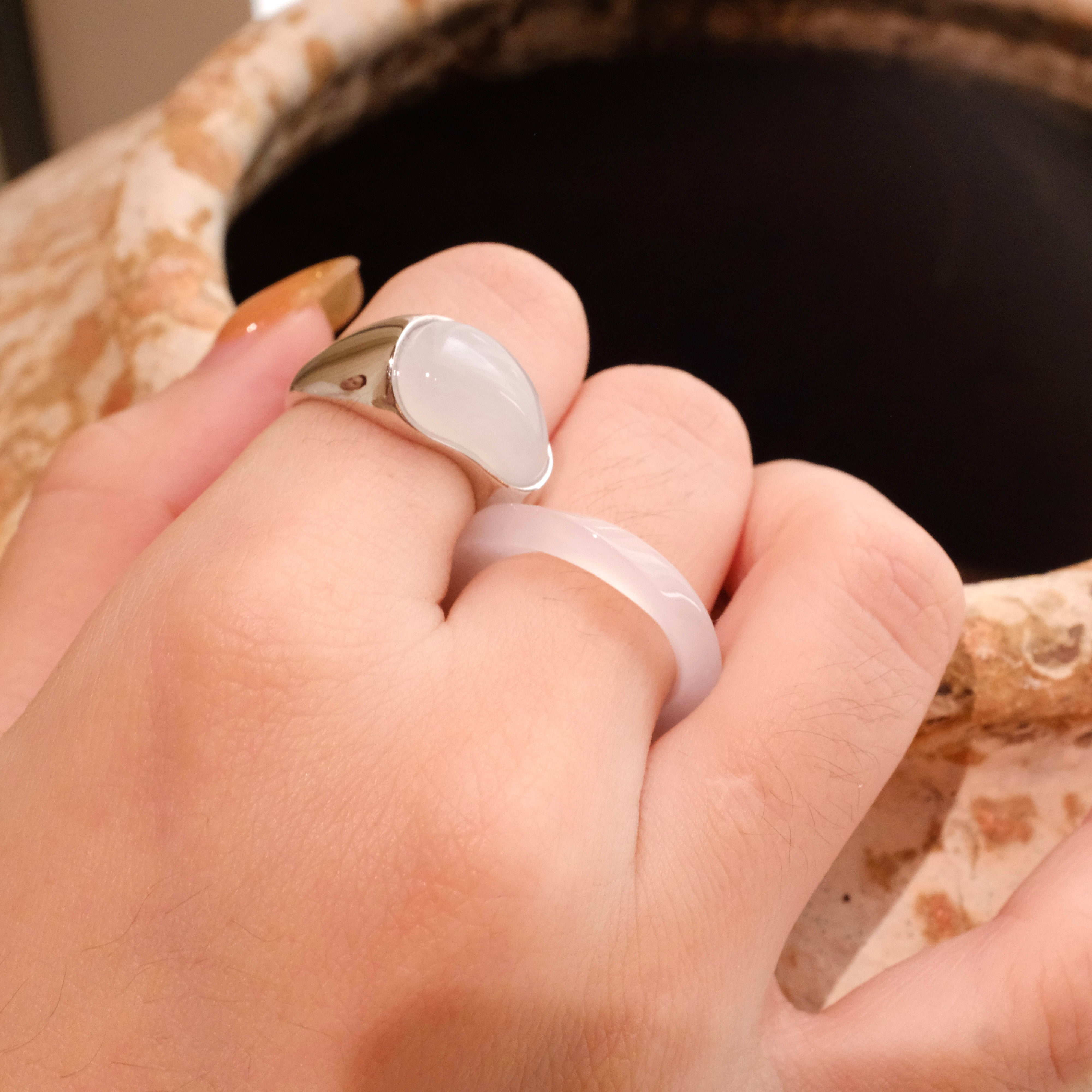
Why GUILD Certification Matters When Buying Jade Jewelry
GUILD certified jade matters because it strengthens the trust chain between the gemstone in your hand and the documentation that describes it. Jade jewelry is often purchased for symbolic meaning, personal style, and heirloom potential. However, the market includes items with inconsistent labeling and uneven quality controls. A jade certificate, when issued through a reputable gem lab framework, provides a practical reference point for grading and identity. This is especially relevant for collectors and buyers who want dependable information before committing to certified jade jewelry.
In this article, you will learn how to evaluate a jade authenticity certificate with a disciplined mindset. You will also understand why “certified” should be more than a marketing word. Finally, you will see how to make certification useful at checkout, in resale conversations, and when you care for your jewelry over time.
Essential Tips
- Verify the presence of a jade certificate and confirm it is tied to the specific stone or item, not just a generic claim.
- Check for consistent identification language across listings, invoices, and any accompanying documentation.
- Request the exact certification details relevant to the piece you intend to buy, including grading descriptors where available.
- Use certification as a comparison tool between similar-looking items, especially when prices are close.
- Prefer sellers who explain the basis of their materials and who can answer questions about the jade certificate process.
- Retain documentation with your purchase records to support future appraisals, upgrades, or resale inquiries.
- Inspect craftsmanship and setting quality separately from the material grade, since certification does not automatically guarantee design standards.
Detailed Step-by-Step Process
Step 1: Treat certification as part of the product, not an optional add-on
When you buy GUILD certified jade, you should approach it as you would any controlled specification. The point is not only that a certificate exists, but that it can be meaningfully related to the material in the jewelry. A credible gem lab process creates a common language for evaluation. That common language reduces uncertainty, especially when visual appearance alone is not enough to judge nuance.
Step 2: Locate and review the documentation wording
Look for a jade authenticity certificate that clearly identifies what is being certified. The documentation should avoid vague statements and should show the certification scope in a way that a buyer can understand. If the listing emphasizes “tested” without offering a certificate, ask what standard was used and request the relevant paperwork. A genuine certification workflow typically provides structured information that helps you confirm identity and evaluate reported characteristics.
Step 3: Confirm that the certification is relevant to your exact purchase
Certification is most valuable when it is associated with the specific piece. Before checkout, cross-check the details you receive in writing. Match the material descriptions, the item type, and any referenced identifiers with the exact product you are buying. This step prevents a common problem: a buyer receives paperwork that does not line up with the item’s actual attributes.
Step 4: Understand what the certificate helps you do
A well-prepared jade certificate does not replace careful inspection. Instead, it helps you make decisions using a documented baseline. You can use it to compare options, evaluate whether the stated material aligns with the reported characteristics, and support consistent decision-making later. The value of a GUILD gem lab context is that it aims to apply recognizable procedures that support traceability and clarity.
Step 5: Evaluate the certificate in the context of the design
Even when the material is certified, craftsmanship influences what you receive. Consider the mount, finishing, and how the jade is secured. A certificate addresses the material’s documented identity, while the setting addresses durability and wear comfort. If your goal is an everyday piece, discuss practical design choices such as edge protection and how the clasp distributes weight. If your goal is a formal accent, consider how color and translucency interact with the stone’s shape.
Step 6: Use a disciplined comparison method
When comparing certified and uncertified listings, focus on more than price and color photos. Use certification to anchor the material identity, then compare design execution. If two items look similar but only one includes a detailed authenticity document, that difference matters. Certification can help you avoid overpaying for a misrepresented expectation and can help you negotiate confidently when you see variance in reported descriptors.
Step 7: Ask targeted questions before you commit
A seller who is prepared to support an informed purchase will answer specific questions. Good questions include: how the certificate is linked to the item, what information is included in the certificate package, and whether additional documentation is available for the exact stone. Avoid general inquiries that do not clarify details. Instead, ask for the exact data that would help you compare options with the same level of transparency.
Step 8: Keep records and store the documentation safely
Your long-term value is supported by better records. After purchase, keep the jade certificate in a safe place with your receipts. Store digital scans alongside purchase history if available. This habit makes future appraisal discussions easier and can reduce confusion if you later upgrade, insure, or sell the jewelry.
Step 9: Continue inspection after delivery
Delivery is when you verify fit, finishing, and visual quality under real lighting. You can inspect the surface, check the stone’s set stability, and confirm that the design details match the product description. Certification supports material identity, but your own viewing still matters for satisfaction. If anything differs meaningfully from what you were promised, address it promptly with the retailer.
Step 10: Match care practices to the stone and setting
Documentation helps with identity, but care protects beauty. For jewelry with GUILD certified jade, treat the stone and setting with consistent gentleness. Avoid harsh chemicals and abrasive cleaning tools. Use methods appropriate for fine jewelry and keep the piece away from sudden impacts. Good care preserves clarity of color and reduces the risk of dulling or unwanted wear over time.
Summary & Takeaway
GUILD certification matters because it adds a structured, verifiable layer to your decision. A jade certificate supports comparison, helps confirm identity, and strengthens buyer confidence when visual assessment alone is not sufficient. For certified jade jewelry, documentation can also improve record quality for future insurance, appraisal, or resale conversations. Use the certificate as a tool that complements craftsmanship inspection and careful product verification. When you buy with documentation in mind, you reduce uncertainty and make a more disciplined purchase.
Q&A Section
Why should I prioritize a jade certificate instead of relying on photos?
Photos show a moment under controlled lighting, but they cannot confirm material identity or the grading basis. A jade certificate provides a documented reference that supports evaluation beyond appearance. It helps you compare products using shared descriptors, especially when pieces look similar.
What should I check to ensure the jade authenticity certificate matches my jewelry?
You should verify that the documentation scope refers to the exact item you purchased and that the descriptors align with the product details provided at checkout. Compare the information you receive in writing with the jewelry description, and retain the full certificate package with your receipt records.
Does certification replace evaluating craftsmanship and setting quality?
No. Certification addresses the material side, while craftsmanship determines durability and everyday wear. You should still inspect finishing, security of the stone, comfort of the design, and overall construction quality. A certified stone placed in a well-made setting is the most reliable combination.
How can I use certification when I plan to resell or insure my jewelry later?
Good documentation supports clearer future discussions because it provides a verifiable baseline. Keep physical paperwork and any digital copies, and store them with purchase records. When speaking with insurers or appraisers, you can reference the certificate details to reduce ambiguity.